To: President William Ruto and the Ministry of Environment
Turn Kenyan Chalbi Desert into a Forest
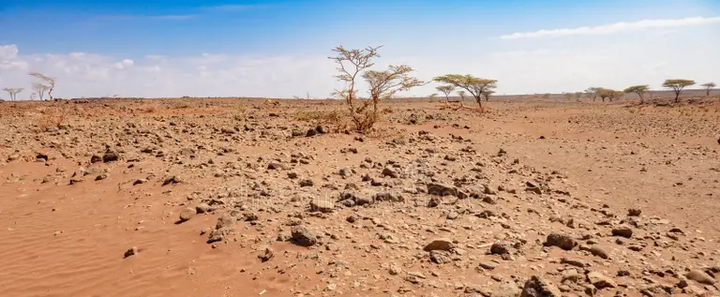
Persuade Kenya Forest Service and the Ministry of Environment to turn Kenyan Chalbi Desert into a Forest.
Desertification is an increasing menace! This is a reality of the effects of extreme climate change and hence biodiversity loss is progressively happening in Afrika and Kenya is not an exemption! We need climate actions that are locally contextualized and sustainable, solutions that are people centred and practical.
While the increasing desertification rate shows how the loss of biodiversity is a fact that we can’t escape, environmentalists encourage people to have diversified and viable climate mitigation and adaptation measures that will curb the fatal consequences of global warming and climate change. Additionally, we are asking President William Ruto to seriously support this project which will be a game changer for the Kenyan forestry ecosystems and also add up to his country-wide drive of planting 15 billion trees by the year 2030.
Notably, turning Chalbi Desert into forest will transforms the hot climate of northern Kenya into a cool [cold] climate, progressively mitigate the effects of global warming such as extreme climate change, which will have a positive impact in achieving water and food security, create another Kenyan carbon sink and definitely create sustainable direct and indirect job opportunities especially for the local communities.
Therefore, we persuade Kenya Forest Service and the Ministry of Environment to collaborate and come up with an environmental logical strategy on how to turn Chalbi Desert into a community managed forest for the realization of this life-saving green project.
Why is this important?
1. Rising Desertification and Biodiversity Loss
Kenya, like much of Africa, is experiencing severe land degradation, desertification, and loss of biodiversity due to extreme climate change. This is already threatening water sources, wildlife habitats, and agricultural productivity. If left unchecked, millions of livelihoods will be at risk. By turning the Chalbi Desert into a managed forest, we can restore biodiversity, rebuild ecosystems, and reverse the trend of land degradation in northern Kenya.
2. Threat to Food and Water Security
Desertification intensifies drought cycles, reduces rainfall, and diminishes fertile land, worsening food insecurity and water scarcity. Communities in northern Kenya are already struggling with famine-like conditions. A green Chalbi Desert will help regulate local rainfall, improve soil fertility, and enhance water retention, directly contributing to long-term food and water security for millions of Kenyans.
3. Climate Change and Extreme Weather Events
Rising global temperatures and the desertification of key ecosystems accelerate global warming and expose Kenya to more extreme weather patterns—heatwaves, floods, and prolonged droughts. Reforesting Chalbi Desert will create a natural carbon sink, capturing millions of tons of CO₂. This will help Kenya meet its climate action commitments and directly mitigate the effects of global warming.
4. Economic Hardship and Loss of Livelihoods
Desertification shrinks grazing land, destroys farmlands, and forces communities into cycles of poverty, migration, and conflict over dwindling resources. Transforming Chalbi Desert into a community-managed forest will create sustainable jobs—from tree planting and forest management to eco-tourism and green enterprises—boosting the local economy while empowering communities.
5. Failure to Meet National Climate Goals
Without bold, innovative projects, Kenya risks falling short of its ambitious national target of planting 15 billion trees by 2030 and will continue to suffer escalating climate risks. Supporting this project will strengthen President Ruto’s national greening agenda, positioning Kenya as a continental leader in climate resilience and sustainable development.
Many voices will be a way of expressing solidarity in pushing for this proposal and thus convince President William Ruto, through the Ministry of Environment, how this life-saving green project is of great importance and urgency to Kenya's ecosystem-People, Fauna and Flora.