-
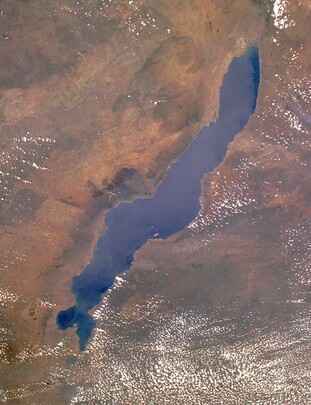 MALAWI: Don't drill for oil in Lake MalawiThe value of the Lake to the Malawi population is: (i) a source of water for drinking and domestic use; (ii) a source of food (fish); (iii) a source of income for fishermen and fish-vendors; (iii) it is the biggest tourist attraction in the country.2,872 of 3,000 SignaturesCreated by Francis Chilalika
 -
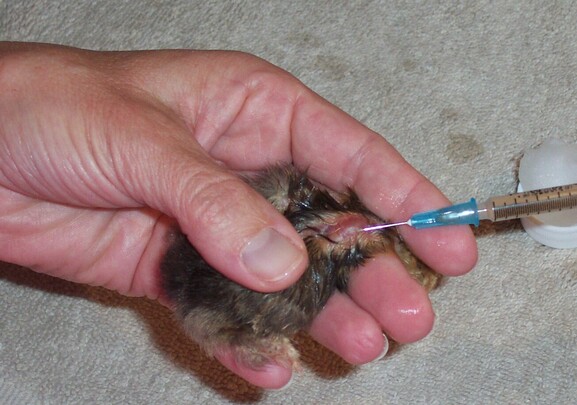 [WON] Say NO to Release of GMO Vaccine in South AfricaIntervet (Pty.) Ltd would like to introduce the vaccine, Innovax®- ND, to South Africa under the Genetically Modified Organisms Act (GMO’s) of 1997, Innovax®- ND is a frozen, cell associated, live virus vaccine that contains the recombinant serotype 3 Herpes Virus of Turkeys (HVT) with the Fusion gene of Newcastle Disease Virus (NDV-F). The HVT/NDV-F strain contains the Fusion (F) gene from NDV. It is approved for in ovo administration for 18-day embryos and by subcutaneous vaccination for healthy 1-day-old chickens. There have already been significant warnings about the use of genetically modified virus and vaccines. A research paper published in the Journal of Toxicology and Environmental Health in 2006 stated: "Genetically modified (GM) viruses and genetically engineered virus-vector vaccines possess significant unpredictability and a number of inherent harmful potential hazards... Horizontal transfer of genes... is well established. New hybrid virus progenies resulting from genetic recombination between genetically engineered vaccine viruses and their naturally occurring relatives may possess totally unpredictable characteristics with regard to host preferences and disease-causing potentials. ...There is inadequate knowledge to define either the probability of unintended events or the consequences of genetic modifications." Genetic Modifications While scientific progress on molecular biology has a great potential to increase our understanding of nature and provide new medical tools, it should not be used as justification to turn the environment into a giant genetic experiment by commercial interests. The biodiversity and environmental integrity of the world's food supply is too important to our survival to be put at risk. Intervet (Pty.) Ltd Furthermore Intervet (Pty.) Ltd is nothing more about then a front organisation for the international research and development, production and marketing company MSD Animal Health. Who are also known to use dogs, cats and other animals in experiments at MSD Animal Health.1,217 of 2,000 SignaturesCreated by Delwyn Pillay
-
PETITION TO PROTECT YALA SWAMP AS COMMUNITY LAND AND A CRITICAL WETLAND ECOSYSTEMWhy is this important? Wetlands are natural climate regulators. Yala Swamp plays a critical role in flood control, water filtration, carbon sequestration, and biodiversity conservation. Destroying or degrading this ecosystem increases vulnerability to floods, food insecurity, and climate shocks — not only for Siaya County but for the Lake Victoria basin as a whole. Illegal or poorly regulated land use does not happen randomly. It grows from small administrative decisions made without oversight, consultation, or environmental accountability. If left unchecked, these decisions accumulate into irreversible damage. This campaign addresses the issue before further harm is done. Rehabilitation is always more expensive than protection. Conflict is always more painful than consultation. Environmental restoration is always harder than prevention. Yala Swamp is also about culture and identity. It holds ancestral memory, community relationships, and shared responsibility. Protecting it is not anti-development. It is a call for responsible, inclusive, and sustainable development that respects both people and nature. By signing this petition, you are choosing: • Environmental protection over short-term exploitation • Community rights over exclusion • Transparency over secrecy • Sustainable livelihoods over ecological destruction • Dignity, justice, and intergenerational responsibility Our goal is not confrontation. Our goal is balance — where development does not destroy ecosystems, and where communities are partners, not spectators, in decisions that affect their land. True change begins with collective voice. When citizens unite around environmental justice and community land protection, we demonstrate that sustainability is not an abstract concept — it is a lived responsibility. Yala Swamp is life. Yala Swamp is heritage. Yala Swamp must be protected.9 of 100 SignaturesCreated by Karl Rogers
-
From Plastic to Prosperity: Community‑Powered Eco‑Tourism Innovation”Eco‑tourism is more than travel — it’s a lifeline for wildlife, local communities, and our planet. Plastic pollution, habitat destruction, and exclusion of women and youth from decision‑making threaten both nature and people. ““When we protect wildlife, empower communities, and reduce waste, we protect our future.”” ✨ Why Should Others Join? • Protect Wildlife: Every signature is a stand against plastic pollution and habitat loss. • Empower Women & Youth: Your support ensures those most affected by climate change lead the solutions. • Strengthen Communities: Civic tech and eco‑tourism create jobs, dignity, and resilience. • Fight Plastic Pollution: Together we can demand bans on single‑use plastics in tourism and hospitality. • Global Solidarity: Joining means being part of a movement that connects Kenya’s local communities to global progress. 🔢 The Change We’re Building 1. Ban single‑use plastics in tourism. 2. Invest in civic tech for wildlife protection. 3. Support women and youth‑led eco‑tourism enterprises. 4. Strengthen local waste management systems. 5. Showcase Africa’s natural heritage through sustainable tourism.2 of 100 SignaturesCreated by Kenneth Leonard
-
Address Soil Degradation and Promote Sustainable Land Management in CameroonWhy Protecting Soil Matters Soil is the foundation of life. It provides the food we eat, filters the water we drink, and supports plants, animals, and communities. In Cameroon, soil erosion, pollution, and deforestation are destroying fertile land, putting farmers’ livelihoods and national food security at risk. Without healthy soil, sustainable development and a stable environment are impossible. Why You Should Join the Campaign Every person depends on the land, and every person has a role in protecting it. By joining this campaign, you can help restore degraded areas, promote sustainable farming, and build a greener future for our communities and generations to come. Together, our collective voices are stronger, and our actions can drive real change at both local and national levels.1 of 100 SignaturesCreated by Ekwen Elias Akuriba
-
La lutte contre le changement climatique, la protection de l'environnement et le reboisement .La protection de l'environnement et le reboisement sont des piliers fondamentaux pour la survie et le bien-être des populations et des écosystèmes, en particulier dans des régions comme Goma et le territoire de Nyiragongo, où les défis environnementaux sont accentués par la pression démographique, les activités humaines et les changements climatiques. Voici pourquoi leur importance est capitale : 1. Lutte contre le changement climatique * Absorption du dioxyde de carbone (CO2) : Les arbres agissent comme des "poumons" de la planète. Grâce à la photosynthèse, ils absorbent le CO2 de l'atmosphère – un des principaux gaz à effet de serre – et le stockent dans leur biomasse (troncs, branches, racines, feuilles) et dans le sol. Le reboisement massif est donc une stratégie clé pour réduire la quantité de carbone dans l'atmosphère et atténuer le réchauffement climatique. * Régulation des températures : Les forêts et les espaces verts contribuent à réguler les températures, notamment en milieu urbain où ils réduisent l'effet d'îlot de chaleur urbain. L'évapotranspiration des arbres libère de la vapeur d'eau, ce qui rafraîchit l'air ambiant. C'est crucial pour Goma, qui subit des températures de plus en plus élevées. 2. Préservation de la biodiversité * Création et restauration d'habitats : Les forêts sont des écosystèmes d'une richesse exceptionnelle, abritant environ 80% des espèces terrestres. La déforestation détruit ces habitats, entraînant la disparition de nombreuses espèces animales et végétales, dont certaines sont endémiques. Le reboisement permet de restaurer ces habitats, de favoriser la diversité génétique et de reconstituer les chaînes alimentaires. * Protection des espèces menacées : En recréant des corridors écologiques et des zones refuges, le reboisement contribue à la survie d'espèces menacées par la destruction de leur environnement. 3. Amélioration de la qualité de l'air * Filtration des polluants : Les feuilles des arbres agissent comme des filtres naturels, capturant les particules fines, les poussières et les polluants atmosphériques tels que les oxydes d'azote et le dioxyde de soufre. Ils libèrent également de l'oxygène, améliorant ainsi la qualité de l'air que nous respirons. C'est un bénéfice direct pour la santé des habitants des zones urbaines. * Réduction des odeurs : La végétation peut aider à masquer ou à absorber certaines odeurs désagréables, contribuant à un environnement plus agréable. 4. Amélioration de la qualité et de la gestion de l'eau * Protection des bassins versants : Les forêts protègent les sources d'eau et les bassins versants en régulant le cycle de l'eau. Leurs systèmes racinaires stabilisent les sols, réduisant l'érosion et le ruissellement. Cela permet une meilleure infiltration de l'eau dans les nappes phréatiques, contribuant à la reconstitution des réserves d'eau douce. * Prévention des inondations et des sécheresses : En ralentissant le ruissellement des eaux de pluie et en permettant une meilleure absorption par le sol, les arbres réduisent les risques d'inondations. En période de sécheresse, ils aident à maintenir l'humidité du sol. * Filtration naturelle de l'eau : Les sols forestiers agissent comme des filtres, purifiant l'eau avant qu'elle n'atteigne les rivières et les lacs, ce qui est crucial pour la qualité de l'eau potable. 5. Prévention de l'érosion des sols et de la désertification * Stabilisation des sols : Les racines des arbres maintiennent le sol en place, prévenant l'érosion causée par le vent et l'eau. Dans les régions arides ou dégradées, le reboisement est essentiel pour lutter contre la désertification et restaurer la fertilité des sols. * Amélioration de la fertilité des sols : La matière organique issue de la décomposition des feuilles et du bois mort enrichit le sol en nutriments, favorisant la croissance d'autres plantes. 6. Bénéfices socio-économiques et pour la santé humaine * Amélioration de la santé physique et mentale : La présence d'espaces verts et d'arbres en milieu urbain est associée à une diminution du stress, de l'anxiété, de la dépression, et à une amélioration de la santé cardiovasculaire. Ils encouragent également l'activité physique. * Création d'emplois : Les programmes de reboisement et la gestion durable des forêts peuvent créer des emplois locaux dans la sylviculture, l'écotourisme, et la production de produits forestiers. * Valeur esthétique et récréative : Les parcs, les jardins et les avenues arborées embellissent les villes, offrant des lieux de détente, de loisirs et d'échanges sociaux. Cela contribue à améliorer la qualité de vie des citadins. * Sécurité alimentaire et nutritionnelle : Certaines espèces d'arbres peuvent fournir des fruits, des noix et d'autres produits comestibles, renforçant la sécurité alimentaire des communautés. En somme, la protection de l'environnement et le reboisement ne sont pas de simples "luxes" mais des nécessités vitales pour la résilience de nos écosystèmes face aux défis climatiques et pour le bien-être des générations présentes et futures. Pour Goma et Nyiragongo, cela signifie un environnement plus sain, une population plus robuste et une attraction touristique durable.1 of 100 SignaturesCreated by Justin KAMBALE KALENGE

-
Protect Our Indigenous Seeds: Stop the Erasure of Africa’s Seed Heritage!Across Africa, farmers have nurtured, exchanged, and protected diverse indigenous seeds for generations. These seeds — like cowpeas, sorghum, and bambara groundnuts — are not just food sources; they are the backbone of our cultures, our climate resilience, and our food sovereignty. But our seed heritage is under threat. Modern agricultural policies, commercial seed laws, and corporate agribusiness interests are undermining farmer-managed seed systems. These changes prioritize uniform, commercial seed varieties that often require synthetic inputs and deny farmers the right to save and share seeds. As a result, our indigenous crops are being sidelined. · Cowpeas, a protein-rich legume adapted to drought and poor soils, are being replaced by patented or genetically modified alternatives that weaken farmers’ ability to save seed and adapt to local conditions. · Sorghum, a vital grain for millions across semi-arid regions, is being displaced by maize-focused agriculture and standardized seed policies, despite its superior climate resilience. · Bambara groundnuts, often cultivated by women, are disappearing from our fields due to lack of policy recognition and commercial neglect, even though they grow well in poor soils and nourish communities. These seeds are not just plants—they are part of our identity, our heritage, and our future. Losing them means losing the biodiversity and local knowledge we need to survive in a changing climate.2 of 100 SignaturesCreated by Danielle Grave
-
To reduce NEMA lisence fee that recently increased by 100%Adherence to Legal and Constitutional Protections: We demand that the Ministry of Environment and NEMA adhere to the legal frameworks governing public participation, fair competition, and environmental justice, ensuring that waste management policies do not favor a select few at the expense of youth groups and community-based enterprises. A thriving waste management sector requires inclusivity, fairness, and accessibility. We respectfully urge the government to reconsider this fee hike to safeguard the livelihoods of thousands of small-scale waste entrepreneurs, support the success of the Extended Producer Responsibility (EPR) initiative, and promote legal, structured waste management in Kenya. We appreciate your swift intervention on this matter and look forward to your favorable response. Youth Unemployment in Kenya: According to the Kenya National Bureau of Statistics (KNBS), youth unemployment remains a critical challenge, with over 39% of young people aged 18-34 facing joblessness. The waste management sector provides vital employment opportunities, particularly for marginalized youth. Increasing licensing fees restricts their ability to engage in income-generating activities, exacerbating unemployment and poverty levels. Additionally, jobs that have emerged through climate change adaptation, climate innovation, and climate justice align with the theme of the 2023/2024 budget, which emphasized climate justice. Waste management is a key pillar within this framework, and ensuring its accessibility and affordability for grassroots entrepreneurs is critical to achieving the government's sustainability and employment goals. Violation of Fair Competition Laws: The Competition Act of Kenya seeks to promote fair trade and prevent market monopolization. By imposing exorbitant fees that favor large corporations over small enterprises, NEMA’s new licensing policy violates the principles of fair competition and economic inclusivity.1 of 100 SignaturesCreated by Maxwel Achola
-
PÉTITION POUR LA PROTECTION DE L’ENVIRONNEMENT À BONJOFace à cette situation critique, nous demandons aux autorités compétentes de prendre des mesures urgentes et efficaces, notamment : 1. Le renforcement de la réglementation sur l’exploitation forestière afin d’encadrer les coupes d’arbres et d’exiger des pratiques de reboisement. 2. La mise en place de campagnes de sensibilisation auprès des populations et des entreprises locales sur l’importance de la préservation de notre environnement. 3. La création d’une commission de suivi environnemental pour contrôler et sanctionner les pratiques nuisibles à notre écosystème. 4. Le développement d’alternatives économiques durables permettant de concilier développement et protection de la nature. Nous croyons fermement qu’avec des actions concrètes et une volonté politique forte, il est possible d’inverser la tendance et de préserver notre patrimoine naturel pour les générations futures. Nous invitons toutes les autorités locales à prendre en compte cette pétition et à agir sans tarder pour protéger notre environnement commun. Ensemble, engageons-nous pour un Bonjo plus vert et durable !1 of 100 SignaturesCreated by Max Ekobe
-
Lubigi Wetland Restoration.It is important because people have spent decades and decades of their lives here. Setting up livelihoods passing the family land to several descendants and the government was all silent. After finding the possible investors they start to disturb people through NEMA(National Environment Management Authority) but regardless so many rich people stayed in the same area with question. Ie Stabex Headquarters, Kombucha Beverage company etc. Those rich people are looking for billions but the poor are only looking for livelihoods. There is a big difference. We need urgent intervention because to be honest we are losing patience.128 of 200 SignaturesCreated by Mulinda Enock
-
SAY NO! TO PLASTIC WASTE KENYA PROJECTThis issues of waste is more like a pandemic short of, its destroying our beloved environment and so it's not a war to be fought alone. Together we can win.2 of 100 SignaturesCreated by SETHGARD OLUOCH OTIENO
.jpg)
-
Niger Delta Oil And Gas PollutionI am a Niger Deltan and a Citizen of the United States currently living in the US. When I left Nigeria in 2018, The situation was very bad. We woke up with black soothe in our beds, our bodies, cars and furniture. After showers, the bathtub got black and sticky. Even my cat would leave my palm black when I pet him. My Mom would cough and cough and spit out all colours of mucus. The sky is grey just like what goes on in China. The NIGER DELTA is no doubt one of the most polluted places on earth. I called my Mom this morning (08/04/2021), And she says it has only gotten worse, 100 times worse and Is considering leaving the country now. But what of my aunties, uncles, cousins, nieces, nephews, and neighbours who can not leave? People from various parts of the country now migrate to the Niger Delta to partake in the illegal processing of raw crude stolen from pipelines(Bunkry) and is considering leaving the country. I have first-hand witnessed this destruction as I worked in the oil and gas industry before leaving the country. The standards of even the authorized oil drilling companies are poor and sub humane. Very environmentally unfriendly to say the least. I am sure you know this already given your position. I know well enough that I am a grain of sand on the beach but it aches my heart to see our beach like this and I can’t sit still. It just takes a little, love and humanity to care.2 of 100 SignaturesCreated by Glory Batubo
